

Touring Motorcycle Helmets
Up to 15 % Off - JUST ADD TO CART


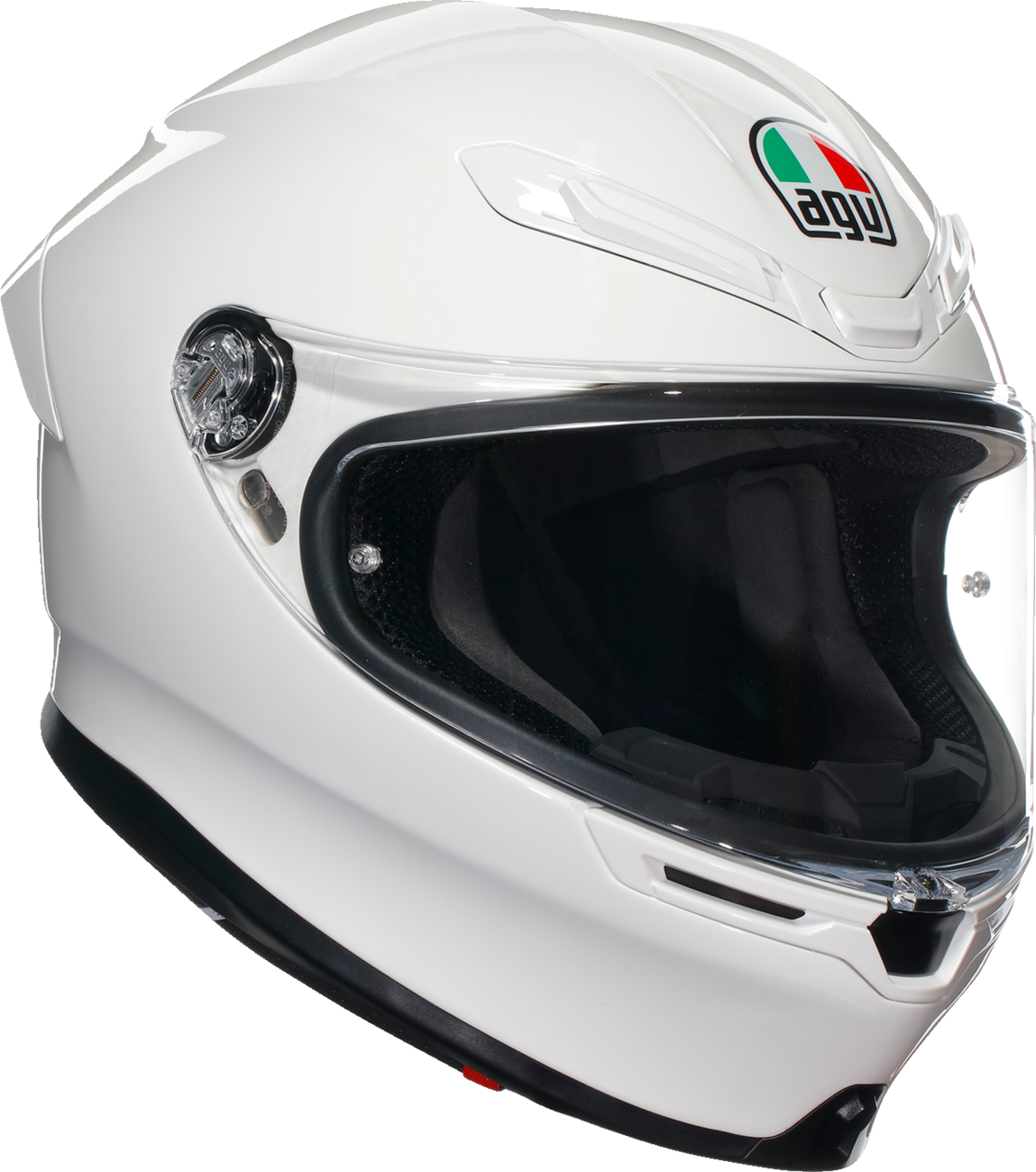


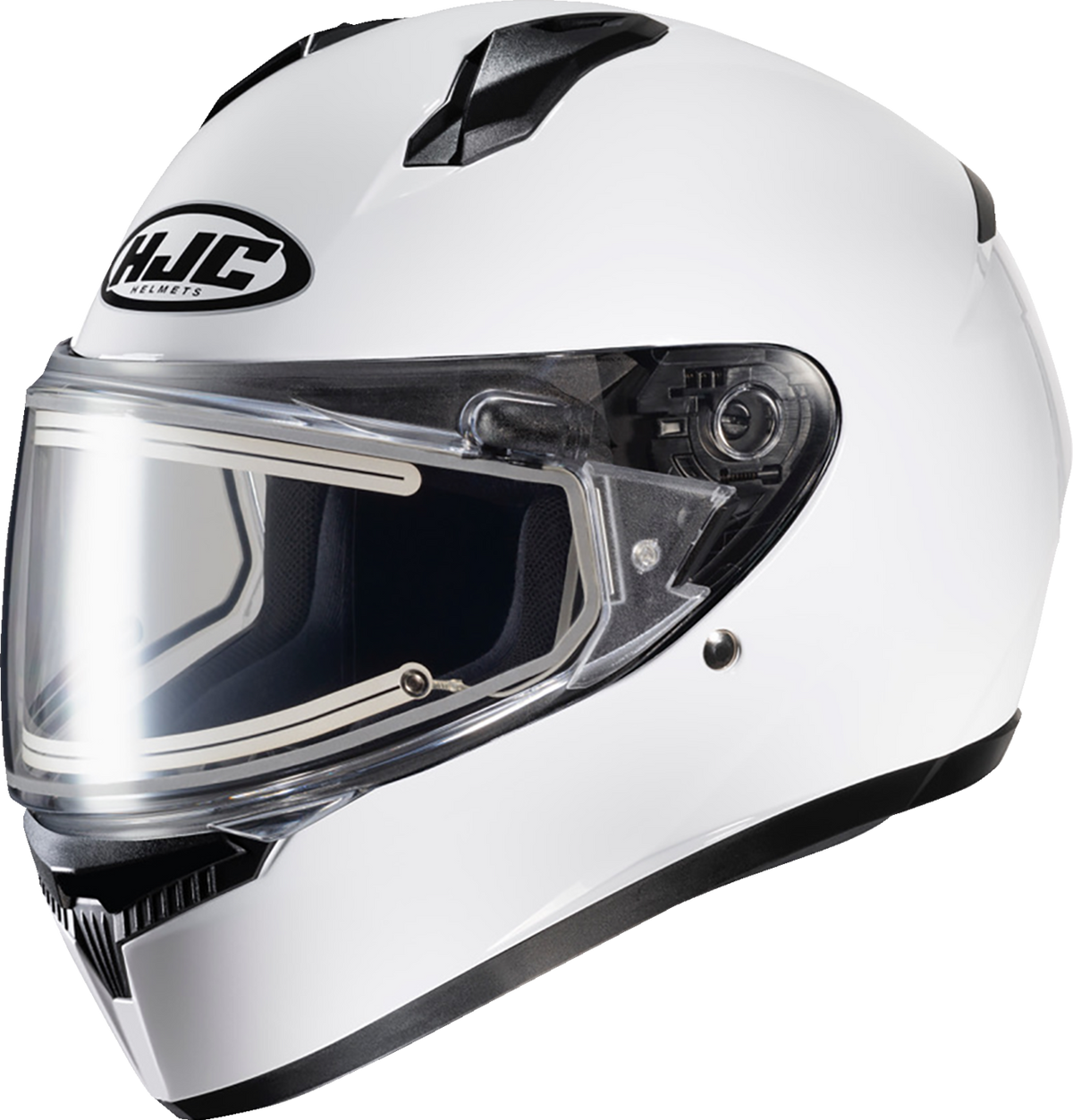


Touring Motorcycle Helmets for Harley, Honda & Long-Distance Riders
Renegade Classics has been fitting riders with gear since 1991. This collection covers touring motorcycle helmets from Daytona, AGV, Alpinestars, HJC, ICON, LS2, and Z1R in full-face and modular styles for highway, adventure, and long-distance riders. Sizes run 3XS to 5XL from $89.70. Free shipping on orders over $99."
What Are Touring Helmets and Who Should Use Them
A touring helmet is engineered for extended riding durations, offering enhanced aerodynamics, noise insulation, a ventilation system, and integrated features like sun visors and communication compatibility. It prioritizes rider safety through a strong impact-resistant shell and multi-layer internal padding designed to absorb and distribute force during collisions, reducing the risk of serious head injuries.
Touring helmets are needed for:
-
Adventure riders: Riding off-the-beaten-path routes or on a multi-day trip.
-
Long-distance commuters: Riding long highway distances daily with reduced fatigue.
-
Biking tourists: Comfort, less fatigue, and vision take precedence over hours.
-
Motorcycle club members or group riders: Helmets have communication features to enable safe coordination on rides.
This results in a smoother, quieter ride with reduced fatigue and improved long-distance control.
Why Touring Helmets Matter to Riders
Long-distance riding places continuous stress on the body, especially the neck, shoulders, and overall focus. This helmet is designed to address those exact challenges with precision-engineered features.
Advanced aerodynamic shaping helps reduce wind turbulence at higher speeds, allowing for a more stable and controlled ride. Internally, optimized pressure distribution through multi-density padding minimizes strain points, ensuring consistent comfort over extended hours.
These helmets are also built with long-wear ergonomics in mind. From balanced weight distribution to reduced drag and improved airflow management, every element works together to lower fatigue and maintain rider concentration.
The result is a riding experience that feels smoother, quieter, and significantly less exhausting, making each mile more controlled, comfortable and enjoyable.
Key Features of Modern Touring Motorcycle Helmets
Each rider is different, and their needs are as well, yet some features are necessary in touring helmets:
-
Noise Reduction
Our full-face touring helmets have reduced wind and road noise, which causes mental exhaustion during prolonged rides.
-
Ventilation
Optimized airflow channels reduce heat buildup during extended rides and maintain comfort even in high temperatures.
-
Sun Visor
Drop-down sun visors allow riders to swiftly adjust to shifting light without halting.
-
Comfort and Fit
The use of memory foam and customized padding eliminates pressure points during extended use for long periods.
-
Communication Ready
There are numerous models that are compatible with intercom systems or hands-free, such as touring motorcycle helmets with Bluetooth ready.
-
Safety Standards
All these helmets are certified by DOT or ECE to provide maximum protection on the road.
-
Visor System
The Pinlock-ready visor system uses a secure locking mechanism that keeps the visor tightly sealed and stable, while allowing quick, tool-free replacement.
Pros and Cons
Knowledge of the trade-offs and benefits aids riders in making wise decisions:
Pros:
-
Superior protection for long-distance riding
-
Effective noise and wind reduction
-
Advanced ventilation prevents overheating
-
Communication-ready models improve convenience
-
Removable, washable liners enhance hygiene
-
Bluetooth-ready helmets enable hands-free calls, GPS navigation, and music access for safer, more connected rides
Cons:
-
Slightly heavier than sports helmets
-
Modular options are more expensive
-
Bluetooth systems require periodic charging
Do You Really Need a Touring Helmet?
Long-distance rides put continuous strain on the neck and shoulders. Standard helmets are built for short rides. Touring helmets are built for endurance, lighter on the neck, quieter at speed, and compatible with Bluetooth communication systems for GPS and calls without stopping.
Care and Maintenance Tips
Long-term performance requires proper maintenance.
-
Wash removable liners with mild soap regularly.
-
Clean visors with soft, anti-scratch cloths.
-
Inspect straps, locks, and retention systems frequently.
-
Store helmets in dry, shaded areas to prevent sun damage.
-
Replace every 3–5 years
-
Avoid chemical cleaners
-
Check EPS liner integrity
Shop Touring Helmets at Renegade Classics
Renegade Classics has stocked touring helmets since 1991. Every helmet in this collection carries DOT or ECE certification. Brands include Daytona for cruiser-style touring, AGV and Alpinestars for sportbike-to-touring crossover, and HJC and ICON for mid-range full-face riders. If you need help choosing, call us at 1-888-520-0802.
Frequently Asked Questions (FAQs)
1. Which safety certifications are required of a touring helmet?
A touring helmet should meet DOT or ECE safety standards to ensure reliable impact protection and compliance with international regulations.
2. What is the most comfortable helmet for long-distance riding?
The most comfortable type of helmet to use during long rides is a modular touring helmet with a padded, breathable interior and lightweight construction.
3. Which is the quietest touring motorcycle helmet?
Full-face touring helmets are the quietest option here, using better sealing, padding, and aerodynamics to reduce wind noise and fatigue.
4. Can modular (flip-up) helmets be more effective than full-face helmets in touring?
Modular helmets are easier to use and feel more convenient in daily riding, but they don’t match the safety level of full-face helmets. Full-face helmets give stronger overall protection, especially on long rides.
5. What is the correct size and fit of a helmet to use in touring?
Measure the circumference of your head just above the eyebrows. Match that measurement to the manufacturer's size chart. The helmet should sit level on your head, feel snug but not tight, and not move more than an inch in any direction when you shake your head.


