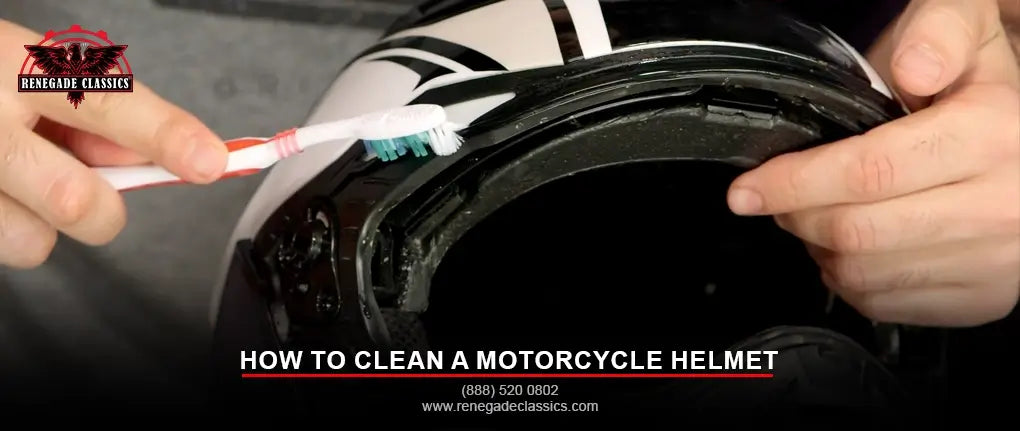
Riding a motorcycle is fun. But dust, sweat, and bugs collect faster on your helmet than you think. And it can make you feel uncomfortable or even unsafe.
A clean helmet keeps your vision clear and protects your skin from irritation. It helps your helmet last longer. A well-maintained helmet can provide safety for a longer time, whereas a dirty one loses its strength faster.
So, taking care of it is just as important as the ride itself. Here’s a simple guide on how to clean a motorcycle helmet and keep it odor-free, safe, and long-lasting.
Materials Needed to Clean a Motorcycle Helmet

Before initiating, collect all the Motorcycle helmet cleaning materials. Use the right tools that help to make washing a motorcycle helmet easier and safer.
- Lukewarm Water
- Microfiber Rags
- Baby Shampoo or Mild Soap
- Toothbrush or Soft Bristles
- Compressed Air or Air Compressor
Step-by-Step Guide to Clean Your Motorcycle Helmet
Follow these steps to clean the bike helmet and make it look fresh and well-maintained.
Gather All Cleaning Supplies
Make sure you have all your materials ready. Lukewarm water, microfiber rags, baby shampoo or mild soap, a soft toothbrush, and compressed air should be nearby.
Remove External Accessories and Gadget
Remove cameras, Bluetooth devices, and helmet decals if possible. Water can damage them while cleaning.
Take Out the Helmet’s Interior Lining and Pads
Most modern helmets have removable liners and cheek pads. Remove them carefully. These parts often hold sweat and odor inside the helmet. This step is crucial to clean the helmet inside. For correct fitting and comfort, check out how to measure for a motorcycle helmet.
Prepare and Inspect the Helmet’s Outer Shell
Check the helmet for cracks, dents, or damage. Cleaning will not fix structural damage, but it helps identify problems early. If you notice cracks or signs of wear, check out our guide, Do Motorcycle Helmets Expire to understand when it’s time for a replacement.
Clean the Interior Lining and Pads
Fill a basin with lukewarm water and a few drops of baby shampoo. Dip the liner and pads. Gently rub and compress them. Make sure to prevent twisting or wringing as this can bend the foam. Rinse simply and let them dry in natural air for 12 to 24 hours. This is the proper way to wash helmet pads. Prevent your helmet from direct sunlight.
Cleaning the outer shell
Dampen a microfiber cloth with lukewarm water and mild soap. Wipe the motorcycle helmet gently. If dirt is stuck, place a damp cloth over the area for a few minutes to soften it before wiping. Avoid scrubbing with hard brushes.
Clean the Face Shield
Remove the faceshield if possible. Wash with lukewarm water and mild soap. Pat dry with a microfiber cloth. For scratches, some helmets offer an anti-scratch shield. Regular cleaning prevents vision problems during the ride. This is how to clean the faceshield.
Clean the Pinlock Shield (If Applicable)
Pinlock shields avoid fogging. Rinse it under lukewarm water and wipe calmly. Prevent touching the inner anti-fog surface with fingers.
Blow Out and Clean the Vents
Use compressed air to blow dust and dirt from vents. This helps maintain airflow and cooling. Riders with vent blockages find less comfort on hot days.
Wipe Down the Internal Sun Shield
If your helmet has a sun shield, wipe it with a damp microfiber cloth. Avoid harsh chemicals that can damage coatings.
Clean motorcycle helmet visor
Check the visor’s hinges and sliders. Remove the dirt with a soft cloth and lightly grease it if the helmet expert suggests it. If you clean your helmet with a smooth procedure, it will prevent wear and tear over time and make it last longer.
Reassemble the Helmet
Once all parts are dry, reassemble the helmet. Make sure the liner and pads fit properly. Test the visor and vents to ensure everything works correctly. You can also check if your helmet fits right by seeing how tight should a motorcycle helmet fit.
What to Avoid When Cleaning a Motorcycle Helmet

Not all cleaning methods are safe. Avoid these common mistakes.
Harsh Chemicals and Solvents
Solvents, alcohol, or strong cleaners can damage the outside and inner padding. They may weaken the helmet’s protective layers.
Hot Water or Direct Sunlight
Hot water can wrap the helmet shell. Direct sunlight can fade colors and dry out foam. Always use lukewarm water and air dry in the shadow.
Strong Detergents or Alcohol-Based Cleaners
Avoid dish soaps or industrial cleaners. These may ruins or cause allergies on your skin.
Using Rough Sponges or Brushes
Rough sponges or hard brushes can scratch the visor or shell. Make sure to stick to soft microfiber cloths or soft-bristle brushes to prevent your helmet from breaking out.
Forgetting to Dry Properly
Never store a damp helmet because it can cause bacteria and mold. Always let all parts of the helmet dry completely and naturally to prevent mold.
Final Tips for Helmet Maintenance
Accurate cleaning boosts your helmet’s life and keeps it secure.
How Often to Clean Your Helmet
- Exterior shell: Clean it after every 2 to 3 rides.
- Interior lining: Clean it every 1 to 2 months, depending on use.
- Visor: Clean it weekly, most probably in rainy or dusty conditions.
Regular helmet cleaning reduces fogging and odor buildup.
Pro Tip: Consistency is key, even small maintenance habits can greatly extend your helmet’s protection and comfort.
Proper Storage Tips
Store helmets in a cool, dry place. Avoid direct sunlight and heat sources. Use a helmet bag to protect from dust and scratches.
Signs It’s Time to Replace Your Helmet
Replace your helmet if you notice:
- Cracks or dents in the shell
- Compressed or torn padding
- Loose straps or broken visors
- Age over 5 years (foam and materials degrade over time)
Helmets spoil even without crashes. NHTSA suggests "replacing helmets when it has been in a crash; damage is not always visible to maintain safety".
Conclusion
Regular motorcycle helmet cleaning improves comfort by cleaning liners that reduce sweat and odor. It enhances visibility with a clear visor that improves reaction more quickly to risks on the road. It also keeps your helmet hygienic by preventing bacteria, mold, and skin irritation. It increases the helmet's life by maintaining shell strength and padding.
Cleaning a helmet is simple when done right. Take care of your helmet, and it will take care of you. And if you’re looking for a new one or need an upgrade, check out the premium motorcycle helmets collection at Renegade Classics, built for comfort, safety, and style on every ride.